
Unforgettable dive adventures in the Bahamas, from vibrant reefs to mysterious blue holes.
Diving
All Inclusive Diving Experience
Andros Diving is onsite at the Andros Beach Club Resort. We offer daily and weekly dive trips exploring the best of the Bahamas. The Andros Barrier Reef, the Andros Blue Holes and the Tongue of the Ocean offer spectacular reef diving, wall diving, blue hole diving, wreck diving and more! Check out our Bahamas All Inclusive Dive Trips!
Andros Diving offers:
- Private & Group scuba diving courses (SSI, NAUI & PADI)
- World’s 3rd largest barrier reef
- Ocean and Inland Blue Hole dives
- Wall Dives on the Tongue of the Ocean (6000′ deep canyon)
- Wreck Diving
- Open water referrals, advanced, divemaster cert. and more
How Apple Pay Transformed Casino Payments in Canada, per MobilePayCasinos
When Apple Pay launched in Canada in November 2015, few observers anticipated how deeply it would reshape financial transactions in the country’s online gambling sector. The technology arrived quietly — available initially through a handful of major banks including TD, CIBC, and American Express — but its implications for digital commerce were immediate. For online casino operators serving Canadian players, the rollout of a biometric-authenticated, tokenized payment system represented something genuinely new: a method that could satisfy both the player’s demand for speed and the operator’s need for verifiable, low-fraud transactions. Over the following years, as Apple Pay penetration climbed steadily across Canadian provinces and as the online gambling regulatory landscape began to clarify, the payment method moved from a novelty option to a functional pillar of how Canadians deposit and withdraw funds at licensed gaming platforms.
The Regulatory Context That Made Apple Pay Relevant
To understand why Apple Pay gained traction specifically in Canadian online casino payments, it helps to understand the regulatory environment that existed before and after its introduction. Canada’s gambling framework is provincial, meaning that each province holds authority over how gambling is conducted within its borders. For most of the 2000s and early 2010s, this created a fragmented landscape where provincial lottery corporations operated legal online platforms — such as OLG in Ontario, Loto-Québec, and BCLC in British Columbia — while offshore operators served a grey market of Canadian players without explicit provincial licensing.
The critical inflection point came in April 2022, when Ontario launched iGaming Ontario, becoming the first province to open its online gambling market to privately licensed operators under a regulated framework. This was a structural change, not a minor policy adjustment. It meant that internationally recognized casino brands could now obtain a license to operate legally in Ontario, provided they met the standards set by the Alcohol and Gaming Commission of Ontario (AGCO). One of the practical consequences of this legalization was that payment processors, banks, and digital wallet providers became far more willing to facilitate transactions with these platforms. Apple Pay, which had previously been cautious about association with gambling transactions due to compliance concerns, became a viable and commonly listed payment option as licensed operators came into compliance.
The Ontario model also introduced transparency requirements around responsible gambling tools and player verification, which aligned well with Apple Pay’s existing security architecture. Because Apple Pay uses device-level authentication — Face ID, Touch ID, or a device passcode — and tokenization that replaces actual card numbers with device-specific account numbers, it fit naturally into a regulatory environment that demanded stronger identity verification and transaction traceability. Regulators appreciated that Apple Pay transactions carry lower fraud rates than traditional card-not-present payments, a point that became relevant when the AGCO began reviewing operator compliance with anti-money-laundering protocols.
How Apple Pay’s Technical Architecture Addressed Casino-Specific Friction
The casino payment environment has historically been plagued by specific friction points that other retail sectors rarely encounter. Chargebacks are disproportionately common in online gambling, because some players dispute transactions after losing, claiming unauthorized use. Card networks like Visa and Mastercard have, at various points, categorized gambling transactions under merchant category code 7995, which triggers additional scrutiny and allows issuing banks to decline transactions at their discretion. This means that even players with valid credit cards have frequently found their deposits declined, not because of insufficient funds, but because their bank chose not to process gambling-coded transactions.
Apple Pay introduced a meaningful technical workaround to this problem, though not by circumventing the merchant category code system entirely. Rather, the tokenization layer and the biometric authentication step create a transaction record that is more defensible against chargeback claims. When a player uses Face ID to authorize a deposit, the cryptographic token generated for that specific transaction is tied to the device and the moment of authentication. This makes it substantially harder to claim that the transaction was unauthorized, which reduces the chargeback rate and, in turn, makes acquiring banks more willing to process gambling transactions from Apple Pay rather than blocking them outright.
From the player’s perspective, the experience is simply faster and less frustrating. A deposit that previously required entering a 16-digit card number, expiry date, CVV, and billing address — followed sometimes by a 3D Secure authentication page — is reduced to a double-click and a glance. For mobile casino users, who represent a growing majority of online gambling traffic in Canada, this reduction in friction has a measurable effect on conversion rates. Industry data from payment service providers operating in the Canadian market suggests that mobile checkout abandonment rates drop significantly when one-tap payment options are available, and casino operators have reported this pattern specifically when Apple Pay was added to their checkout flows.
Withdrawal processing is a separate issue, and one where Apple Pay’s role is more limited. Apple Pay is fundamentally a payment initiation method rather than a comprehensive wallet system in the way PayPal functions. Operators cannot push funds back to a player through Apple Pay in the same way they can via bank transfer or e-wallet. This means that while deposits through Apple Pay are seamless, withdrawals typically require a separate method — often a bank transfer or a dedicated e-wallet. Tracking resources like www.mobile-pay-casinos.com have documented which Canadian-facing operators support Apple Pay specifically for deposits and what alternative withdrawal channels those same operators provide, which is practically useful information for players navigating a market where payment method parity between deposits and withdrawals is not guaranteed.
Adoption Patterns Among Canadian Players and Operators
Canada ranks among the highest countries globally for iPhone market share. As of 2023, approximately 55 to 58 percent of Canadian smartphone users were on iOS devices, compared to a global iOS market share hovering around 27 to 30 percent. This demographic reality has direct implications for Apple Pay adoption in any mobile-first context, including online gambling. The Canadian casino player base skews toward mobile usage, and a majority of those mobile users are on iPhones, which means the potential addressable audience for Apple Pay as a deposit method is substantial.
Adoption did not happen uniformly across operators. In the early post-Ontario-legalization period, many newly licensed operators were still establishing their payment infrastructure, often working through payment service providers that acted as intermediaries between the casino platform and the card networks. Apple Pay support depends on the payment service provider being configured to accept it, and not all PSPs serving the Canadian gambling market had Apple Pay enabled by default. Operators that worked with PSPs such as Nuvei — a Montreal-headquartered payment technology company that has specifically built out gambling-sector payment solutions — were better positioned to offer Apple Pay quickly, because Nuvei had invested in Apple Pay integration as part of its broader mobile payment stack.
By 2023 and into 2024, Apple Pay had become a standard listing on the payment methods page of most major Ontario-licensed operators. This was partly market pressure — players who had become accustomed to using Apple Pay for grocery shopping, transit payments, and e-commerce were increasingly reluctant to use a more cumbersome payment method for casino deposits — and partly the maturation of the PSP ecosystem serving the Canadian market. Operators who had initially listed Apple Pay as a secondary option began promoting it more prominently as data showed higher average deposit values and lower abandonment rates compared to manual card entry.
The pattern among Quebec-licensed platforms, specifically those operated by Loto-Québec under the Espacejeux brand, was somewhat different. Provincial lottery corporations operate under different procurement and technology cycles than private operators, and Espacejeux was slower to integrate Apple Pay than the privately licensed Ontario operators. This created a situation where players in Quebec who preferred Apple Pay often found it unavailable on the provincially licensed platform while it was readily accessible on Ontario-licensed platforms that accept players from across Canada. This discrepancy highlighted a broader tension in the Canadian regulatory framework between the consumer experience offered by agile private operators and the more bureaucratic technology adoption cycles of provincial crown corporations.
Security, Responsible Gambling, and the Limits of Convenience
Apple Pay’s security credentials are genuine and well-documented. The system does not transmit actual card numbers to merchants, which eliminates a significant category of data breach risk. The authentication requirement at the point of transaction means that a stolen or lost iPhone cannot be used to make Apple Pay payments without the device owner’s biometric data or passcode. For casino operators, these properties reduce fraud-related losses and simplify PCI DSS compliance, because the operator’s systems never handle raw card data.
However, the same frictionless quality that makes Apple Pay attractive from a user experience standpoint raises legitimate concerns in the responsible gambling context. Researchers studying problem gambling behavior have noted that reducing payment friction can increase the speed and volume of gambling activity, particularly among players who are already exhibiting signs of disordered gambling. When a deposit takes less than two seconds and requires only a glance at a screen, the cognitive pause that might accompany entering card details manually is eliminated. This is not a hypothetical concern — it is a pattern that has been studied in the context of contactless payments and gambling in the United Kingdom, where the Gambling Commission has examined the relationship between payment method friction and problem gambling indicators.
The AGCO in Ontario has addressed this partially through requirements that licensed operators implement deposit limits, cooling-off periods, and self-exclusion tools that are independent of the payment method used. Under the iGaming Ontario framework, operators must offer players the ability to set binding daily, weekly, and monthly deposit limits, and these limits apply regardless of whether the player is depositing via Apple Pay, bank transfer, or any other method. In practice, this means that the speed of Apple Pay is bounded by whatever limits a player has set in their account, which provides some structural protection even when the payment experience itself is nearly instantaneous.
MobilePayCasinos, which has tracked the rollout of mobile payment methods in the Canadian online gambling market since the Ontario legalization, has noted that responsible gambling tool integration has become a competitive differentiator among licensed operators, with some platforms offering more granular controls than the AGCO minimum requirements. This suggests that the market is, to some degree, self-correcting toward better player protection standards even as payment convenience increases.
There is also the question of spending visibility. Apple Pay transactions appear in the device’s Wallet app with merchant names and amounts, which means players have a clear transaction history that is separate from their bank statement. For some players, this transparency is useful for tracking gambling spending. For others, particularly those who might be concealing gambling activity from family members who share access to bank accounts, the Apple Pay transaction record in the Wallet app represents an additional disclosure point. This is a nuanced behavioral dynamic that responsible gambling researchers have begun to examine as mobile payment adoption in gambling contexts increases.
The evolution of Apple Pay in Canadian casino payments is ultimately a story about the intersection of technology maturation, regulatory clarity, and shifting consumer behavior. The payment method did not transform the sector overnight, and it did not do so in isolation. It became relevant because provincial regulation created a legitimate market, because payment service providers built the infrastructure to support it, and because Canadian players arrived at online casino platforms already accustomed to using Apple Pay in their daily commercial lives. What changed is that the conditions finally existed for a genuinely frictionless, secure mobile payment experience to function within a compliant gambling context — and once those conditions existed, adoption followed the path that convenience almost always creates.


Andros Island Diving
Our Andros dive resort is the best place to explore the Andros Barrier Reef – 3rd largest in the world and 2nd largest in the Caribbean. The Andros Reef stretches 100 miles along the eastern shore of Andros Island, offering the best diving in the Bahamas. Come explore coral towers reaching 35 feet high and extensive swim-throughs packed with stunning marine life. Discover sea turtles, rays, sharks, tropical fish and much more – this beautiful underwater world awaits you!
Boat diving is limited to 6 divers to ensure safety, quality and privacy. We use a 25’ Catamaran with 300 HP. The cat offers a smooth and speedy ride to some of the best remote dive sites in the world. Most of our dive site are less than a 10 minute boat ride.

Dive The Bahamas Blue Holes
Tidal freshwater blue holes are unique to the Bahamas and South Andros Island offers the highest concentration of Blue Holes in the world. Inland and offshore blue holes can exceed 400’ of depth. Blue Holes were formed during the last ice age when ocean levels were 300-400’ lower. Rainwater and eventually seawater eroded the limestone foundation of the island and created these spectacular caverns in a variety of shapes and sizes.
A recent National Geographic cover story featured the Bahamas Blue Holes including Stargate Blue Hole of South Andros Island.
Dive Trips & Dive Certification Rates
$130 – Snorkeling
$220 – 2 Tank Boat Dives
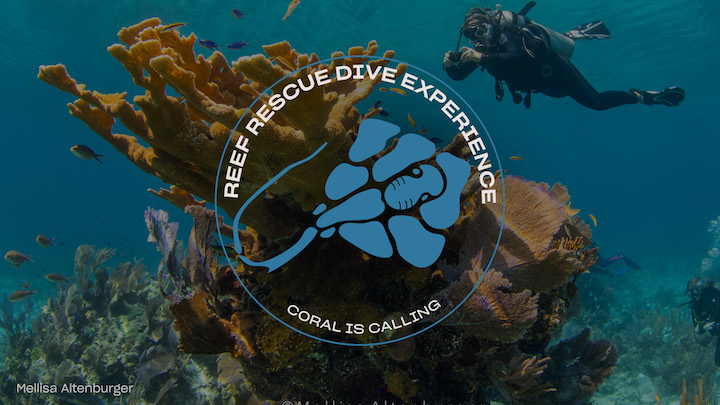
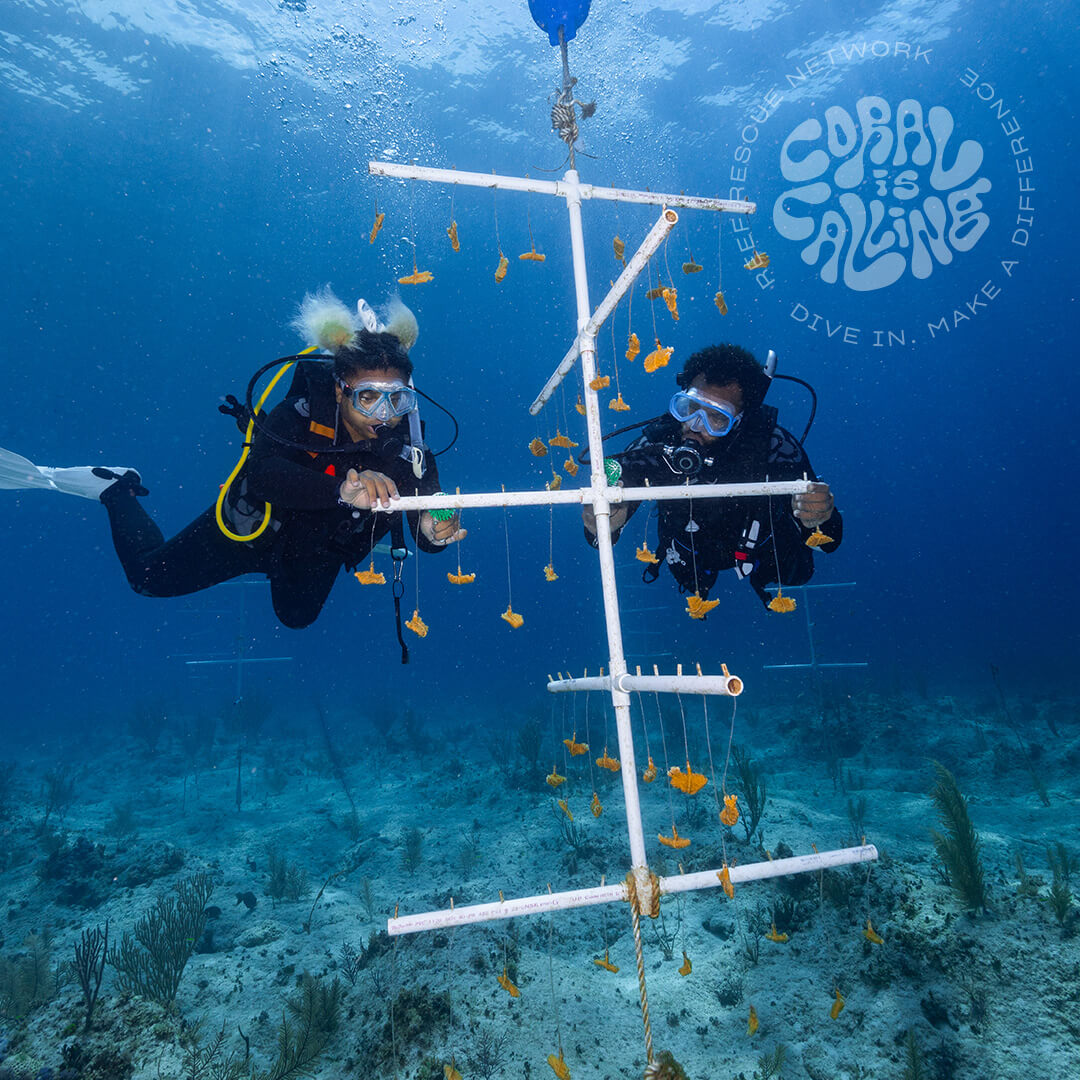
$245 – 2 Tank Reef Rescue Experience
$190 – Inland Blue Hole Dive
$270 – Discover Scuba Lesson & 2 Dives
$750 – Scuba Diver Certification (4 dives included)
$900 – Advanced Scuba Diver Course (6 dives included)
Rates are per guest. Tanks, weights & snorkel gear included.
$40/day – BCD & Regulator. $10/day Wetsuit. $10/day Computer.
4 guest minimum required for non-Beach Club guests and surcharges may apply.


Discover the Depths of Paradise...
Reef Rescue Network – Coral Restoration Dives
We’ve partnered with the Perry Institute for Marine Science (PIMS) and the Reef Rescue Network (RRN) to create and maintain 2 coral nurseries. The original nursery is located at ABC Reef and the 2nd is in The Donut Hole – the first and only blue hole coral nursery in the world. We’ve outplanted corals from our nursery to help re-populate nearby reefs with endangered stag horn corals. Come volunteer to help maintain our nurseries and contribute to our efforts.
Excursions to Exuma Cays
We also offer trips to Pig Beach in Exuma to see the famous swimming pigs, Andros West Side National Park, Green Cay National Preserve, Thunderball Grotto, Staniel Cay, Grassy Cays, Shark Hole and more!
Child Care Services are Available
If you have young ones who don’t dive we can arrange safe, reliable and fun child care while you go diving. Porter (13) and Mason (11) love meeting new kids and have plenty of toys available to share. We’re also developing our “kids camp” for larger groups to provide safe and fun entertainment onsite and nearby the resort.