Bahamas Fly Fishing Trips
South Andros Diving
- Andros Island is widely recognized as the Bonefishing Capital of the World.
- World class local guides navigate miles of remote flats through the creeks which are home to tens of thousands of bonefish as well as tarpon, permit and others. This quality of fishing is tough to find elsewhere yet the opportunities are endless in South Andros. We can arrange the best bonefishing guides for you through the Beach Club.
Spearfishing Guidelines
- We free-dive using Hawaiian slings or pole-spears
- Spearguns and scuba gear are prohibited while spearfishing in The Bahamas
How Darts Became a Major Betting Sport in the UK, Explored by Betzella
Darts has undergone one of the most remarkable transformations in British sporting culture over the past four decades. What was once dismissed as a pub pastime — something played between rounds of drinks on a Tuesday night — has evolved into a televised spectacle drawing millions of viewers and generating hundreds of millions of pounds in annual betting turnover. The journey from the taproom to the Premier League stage is not simply a story of a sport cleaning up its image; it is a story of media investment, regulatory change, and a gambling industry that recognised the unique qualities darts offered long before most observers did.
The Pub Origins and the First Wave of Television Coverage
Darts has been played in English pubs since at least the late nineteenth century, though its standardisation — fixed board height, throwing distance, and scoring rules — only solidified in the early twentieth century. The British Darts Organisation, founded in 1973, gave the sport its first coherent governing structure and, crucially, made it legible to broadcasters. The BBC began televising the World Masters in 1974, and the Embassy World Professional Darts Championship launched at Lakeside in 1978. These broadcasts introduced darts to a national audience that had previously only encountered it in local settings.
The early television era is important for understanding the betting dimension because it established darts as a sport with identifiable stars, predictable formats, and clear outcomes — all properties that bookmakers value. Eric Bristow, John Lowe, and Jocelyn Soares were household names by the early 1980s, and high-street bookmakers began pricing darts markets with genuine seriousness during this period. The sport’s structure, with its straightforward win or lose outcomes and relatively short match durations, made it easy to integrate into existing betting slips alongside football and horse racing.
However, darts betting remained modest in scale through the 1980s and into the 1990s. The sport suffered a significant decline in television coverage after the BBC reduced its commitment, and without broadcast exposure, public interest and betting volume both contracted. The real turning point came not from a regulatory change or a new governing body, but from a split that initially seemed likely to damage the sport permanently.
The PDC Split and the Commercial Reinvention of the Sport
In 1993, sixteen of the world’s top players broke away from the British Darts Organisation to form what eventually became the Professional Darts Corporation. The split was acrimonious and legally contested, but it produced a rival organisation with an explicitly commercial outlook. The PDC, under the leadership of Barry Hearn from 2001 onwards, pursued a fundamentally different model: larger prize funds, arena venues rather than leisure centres, and aggressive pursuit of television rights deals. Sky Sports became the PDC’s broadcast partner, and the combination of satellite television reach and a new generation of players — Phil Taylor above all — rebuilt the sport’s audience through the late 1990s and 2000s.
The significance of Sky’s involvement cannot be overstated from a betting perspective. Sky Sports and Sky Bet share corporate parentage under the broader Rupert Murdoch media empire, and the alignment of live sports broadcasting with in-play betting infrastructure created a powerful feedback loop. Viewers watching a PDC event live on Sky could simultaneously place bets through Sky Bet, and the broadcaster’s graphics and commentary were designed with the betting viewer partly in mind. This integration of media and wagering was not unique to darts, but darts proved particularly well suited to it because of the sport’s pace — matches move quickly, legs are short, and momentum shifts are frequent and visible.
By the mid-2000s, darts had become a consistent presence in the in-play betting menus of major UK bookmakers. The PDC Premier League, launched in 2005, provided a regular weekly fixture list from February through to May each year, giving bookmakers a reliable schedule around which to build promotional activity. The World Championship at Alexandra Palace, which the PDC began hosting in 2008, became one of the most heavily bet-upon events of the Christmas and New Year period, rivalling some Six Nations rugby fixtures in terms of betting turnover for a single event.
Regulation, Online Betting, and the Growth of Specialist Markets
The Gambling Act 2005, which came into force in September 2007, fundamentally restructured the UK betting market. It permitted remote gambling licences, legitimised online betting advertising, and created the framework within which the modern UK betting industry operates. The Act’s timing coincided almost exactly with the period of darts’ most rapid growth as a spectator sport, and the two developments reinforced each other. Online bookmakers were able to offer darts markets that would have been impractical in a high-street environment — not just match winners, but first leg winner, highest checkout, number of 180s in a match, and dozens of other proposition bets.
The proliferation of these specialist markets is one reason why darts occupies a disproportionately large share of sports betting activity relative to its overall audience size. A football match generates perhaps fifteen to twenty core betting markets; a major PDC darts match can generate sixty or more. Each additional market increases the average number of bets placed per viewer, which is why operators invest in detailed statistical data feeds from darts events. Companies like Genius Sports and Sportradar now provide real-time data from PDC events specifically to power these in-play markets.
For bettors who want to understand the landscape of available operators and the range of markets they offer, resources that aggregate and compare darts betting sites provide a useful overview of how the market has developed since the mid-2000s. The variation between operators in terms of market depth, odds competitiveness, and live streaming availability is significant, and the growth in the number of such platforms reflects the sustained commercial interest in the sport.
The Gambling Commission, which replaced the Gaming Board under the 2005 Act, has since introduced a series of tightening measures that affect how darts betting is conducted. The ban on credit card gambling introduced in April 2020, enhanced affordability checks, and stricter rules on promotional offers have all reshaped the operating environment. Despite these constraints, darts betting volumes have continued to grow, partly because the PDC has expanded its international footprint — the World Series of Darts brings events to Frankfurt, Amsterdam, Brisbane, and Las Vegas — creating new fixture lists and new betting opportunities throughout the year.
Audience Demographics and the Sport’s Continued Commercial Appeal
One of the more counterintuitive aspects of darts’ betting success is its demographic reach. Survey data from YouGov and from the PDC’s own audience research consistently show that darts attracts a younger television audience than sports like snooker or bowls, with a significant proportion of viewers aged eighteen to thirty-four. This demographic is precisely the group that online bookmakers most actively target, and it is the group most likely to engage with in-play betting via mobile applications during live events.
The atmosphere at PDC events — Alexandra Palace during the World Championship is a particularly vivid example — is deliberately festive and participatory. Fancy dress, group attendance, and alcohol consumption are all normalised parts of the darts event experience in a way that distinguishes it from, say, a snooker final at the Crucible. This social atmosphere translates into a betting culture in which group wagering and friendly competition around predictions are common. Bookmakers have responded by designing promotions specifically for the World Championship period, including price boosts on 180s, enhanced each-way terms on outsiders, and accumulator offers tied to nightly results.
The PDC’s prize money figures illustrate the scale of the commercial transformation. The 1978 Embassy World Championship offered a total prize fund of £3,000. The 2024 PDC World Championship at Alexandra Palace distributed £2.5 million. That increase, adjusted for inflation, represents a genuine and substantial expansion of the sport’s economic base, and betting revenue — through sponsorship, media rights, and the direct commercial relationships between the PDC and betting companies — is a significant component of that growth. Bet365, Paddy Power, and William Hill have all held prominent PDC sponsorship positions at various points, and the current PDC World Series carries title sponsorship from a major operator.
Darts arrived at its current position as a major betting sport through a combination of structural decisions made by the PDC, the timing of the Gambling Act 2005, the expansion of online and in-play betting infrastructure, and the sport’s inherent suitability for rapid-turnover wagering. None of these factors alone would have been sufficient; it was their convergence over roughly a fifteen-year period from the mid-1990s to the early 2010s that transformed darts from a marginal betting market into one of the fixtures of the UK sports betting calendar. The sport’s future betting volumes will depend partly on how the PDC manages its broadcast partnerships as streaming continues to fragment television audiences, and partly on how the Gambling Commission’s ongoing regulatory reviews affect the economics of in-play betting — but the foundation that has been built is substantial and unlikely to erode quickly.

Spearfishing Trips to Andros Island
- Marine Life: The Andros Barrier Reef is home to a wide variety of fish species, including:
- Nassau Grouper
- Black & Tiger Grouper
- Cubera, Mutton & Grey Snapper
- Hogfish
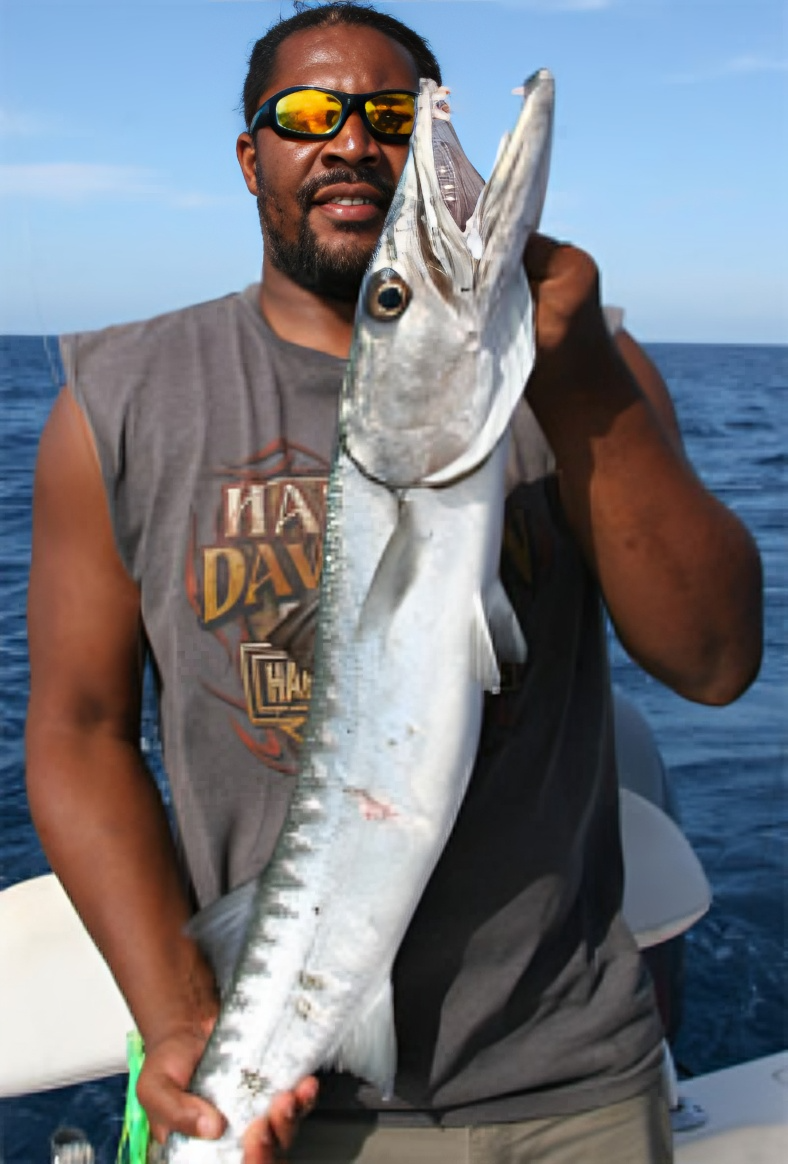
- King Mackerel
- Jacks
- …and many more
- Lobster Season: August 1st through March 31st
- Spearfishing Guidelines:
- We free-dive using Hawaiian slings or pole-spears
- Spearguns and scuba gear are prohibited while spearfishing in The Bahamas
Dive Trips & Dive Certification Rates
*Rates are for up to 6 guests (25′ Catamaran) or up to 2 guests (Bonefishing). Rates are for Andros Beach Club guests and may be higher through other hotels.

Bonefishing
$750/day (independent Androsian Guides)

Spearfishing
$1000 half day or $1900 full day (25′ Catamaran with 300 hp)

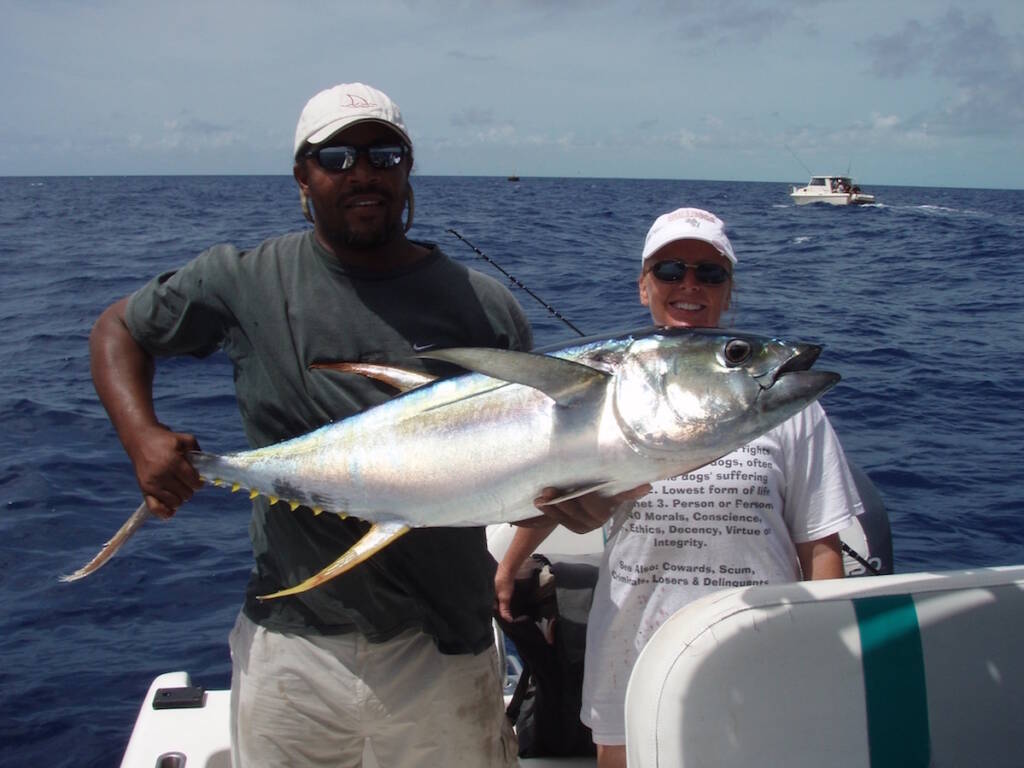
Deep Sea/Reef Fishing
$1200 half day or $2300 full day
In Memory of Captain Roggie
Many of our friends and guests had the pleasure of knowing Captain Roggie. He was our dear friend, and founder of Reel Tight Charters, who passed away in 2014. He was a loving and devoted father, friend, mentor and much more to many throughout the island, the Bahamas and beyond. His entrepreneurial spirit and larger than life personality led to the success of his charter fishing & diving business Reel Tight Charters.
We’re to carrying on his legacy by operating his former boat, now named Captain Roggie, a 25′ catamaran on which we worked together for 8 years and shared many wonderful adventures and memories.